Your Hips Aren’t the Problem. Your Patterns Are. Small Changes Bring Relief.
Tight hips aren’t just aging. They’re a result of the patterns your body repeats every day. Learn how small shifts can create lasting ease and better movement.

If your hips feel stiff every morning or ache after sitting, you are not imagining it. Tight hips are not simply a sign of aging. They are often the result of how your body has been adapting to your daily patterns.
Your hips are the crossroads of your movement. They anchor your stride, support your spine, and help your upper and lower body work together. When they lose mobility, everything around them begins to compensate. Over time, that compensation becomes tension, and tension becomes discomfort.
The habits you repeat most often quietly shape how your hips feel and function. The good news is that awareness helps you take your movement back.
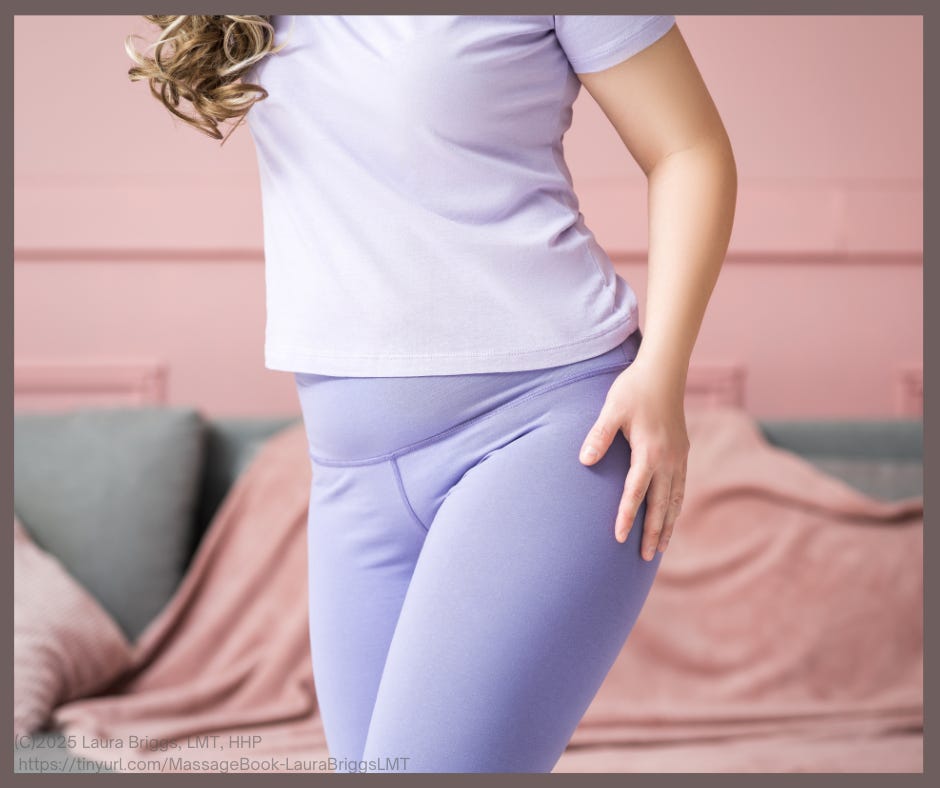
Ignoring the Small Aches
Those dull tugs in your hips, the quick pinch when you stand, the stiffness that shows up after sitting are not random. They are early warning signs that your tissues are struggling to keep up. When those whispers get brushed aside day after day, the fascia tightens, mobility drops, and what was once a small annoyance becomes a pattern your hips have no choice but to follow.
Here’s what those “little” signals often look like:
A brief pinch when standing up that fades but returns a little stronger each day
A tight spot on the outside of the hip that feels like it needs to pop, but never does
A low, dull ache after walking or climbing stairs that you chalk up to getting older
A sense of heaviness or stiffness when you first get out of bed
A small limitation in your stride that you notice only when you speed up
These aren’t inconveniences. They are information. The sooner you listen, the more easily your body can restore its natural mobility. When you ignore them, the hips tighten to protect you, and that is when restriction takes hold.
Repetitive Positions and Movements
Your hips are designed to move, rotate, and stabilize. When you keep your body in the same position for too long, fascia does not just adapt. It reshapes itself around the posture you use most. The same thing happens with repetitive movement patterns. Fascia organizes for efficiency, even if the position isn’t healthy.
The trouble shows up when you ask your body to do something different. Standing upright, walking comfortably, or taking a longer stride becomes harder because the tissue is no longer supporting full movement. Restricted fascia reduces your range of motion and creates the familiar stiffness and deep aches so many people feel in their hips and low back.
Sitting Longer Than 30 Minutes
Long periods of sitting shorten the hip flexors, weaken the glutes, and shift the workload to the lower back. The longer you stay still, the more your hips behave as though sitting is their primary job.
Crossing the Same Leg Every Time
Crossing your legs feels natural, but repeating it trains one hip to rotate while the other tightens. Over time, your pelvis tilts or twists, and your spine follows. This is one of the fastest ways uneven hip tension develops.
Sleeping Curled Too Tight
Your body memorizes your sleep posture. Curling tightly on your side pulls the hips and low back into a shortened position for hours at a time. You may fall asleep comfortable, but you wake up moving differently because the tissue adapted overnight.
When Stress Locks Up Your Hips
Stress does not sit quietly in the background. It shows up in your body whether you notice it or not. And your hips are often the first place to tighten. When life gets overwhelming and movement drops to the bottom of the list, your hips grip even harder. Skip movement for a day or two, and that tension settles in. Skip it for a week, and your hips start to feel like concrete.
How this shows up:
Shallow breathing stiffens the diaphragm and pulls through the low back and hips
Hip flexors clench when the nervous system is on alert, even if you’re sitting still
Shoulders creeping toward your ears change how the pelvis stabilizes underneath you
A tight jaw and braced abdomen feed tension into the hip flexors and pelvic floor
Feeling wired, tired, or restless often mirrors as gripping or stiffness in the hips
How to Keep Your Hips Moving Well
You do not need an intense routine to protect your hips. What they respond to best is consistency, awareness, and small resets woven into your day. These simple actions interrupt tension before it settles in and help unwind patterns already forming.
Here are effective ways to support hip mobility and counter restriction:
Change positions often. Shift your posture, switch how you sit, or stand up every 20-30 minutes.
Lengthen the front of your hips. Gentle low lunges, quad stretches, or even standing tall and reaching overhead help open chronically tight areas.
Wake up your glutes. Small, controlled moves like bridges, step-ups, or standing leg lifts encourage better hip support.
Move in different directions. Add hip circles, side shifts, or gentle twisting to keep your fascia responsive.
Breathe into your ribs. Deep breathing softens the diaphragm and reduces the bracing that stiffens the low back and hips.
Stay consistently hydrated. Fascia glides better when tissues are hydrated. Small, steady sips throughout the day make a difference.
Listen early. When you feel a pinch or stiffness, give your body a moment of movement instead of pushing past it. The small cues respond fastest.
Small choices shape how your hips feel tomorrow. Give them what they need today so you can move through life with more ease and confidence.